Scroll to end for English translation!
Wenn du das hier liest, sind wir (leider!) schon wieder zurück in Deutschland. Das Bloggen von unterwegs geht nicht halb so schnell von der Hand wie das Füllen von Instagram-Stories. In den nächsten Tagen wird das Reisetagebuch dennoch vervollständigt werden, also bleib dran!
Pisa
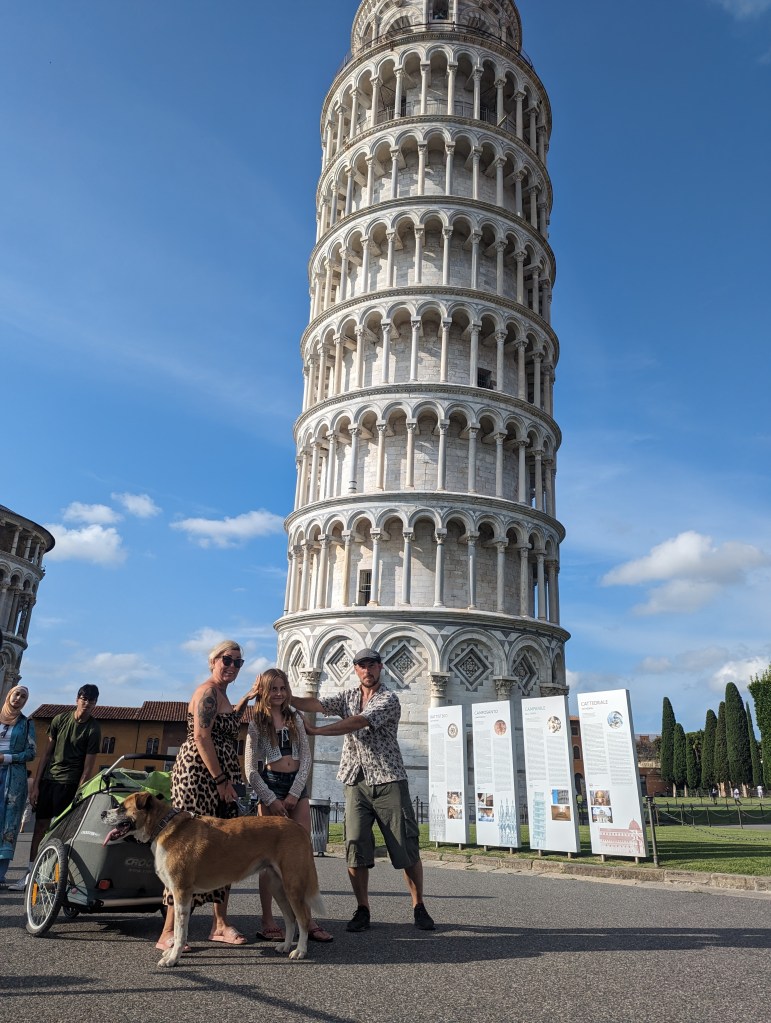
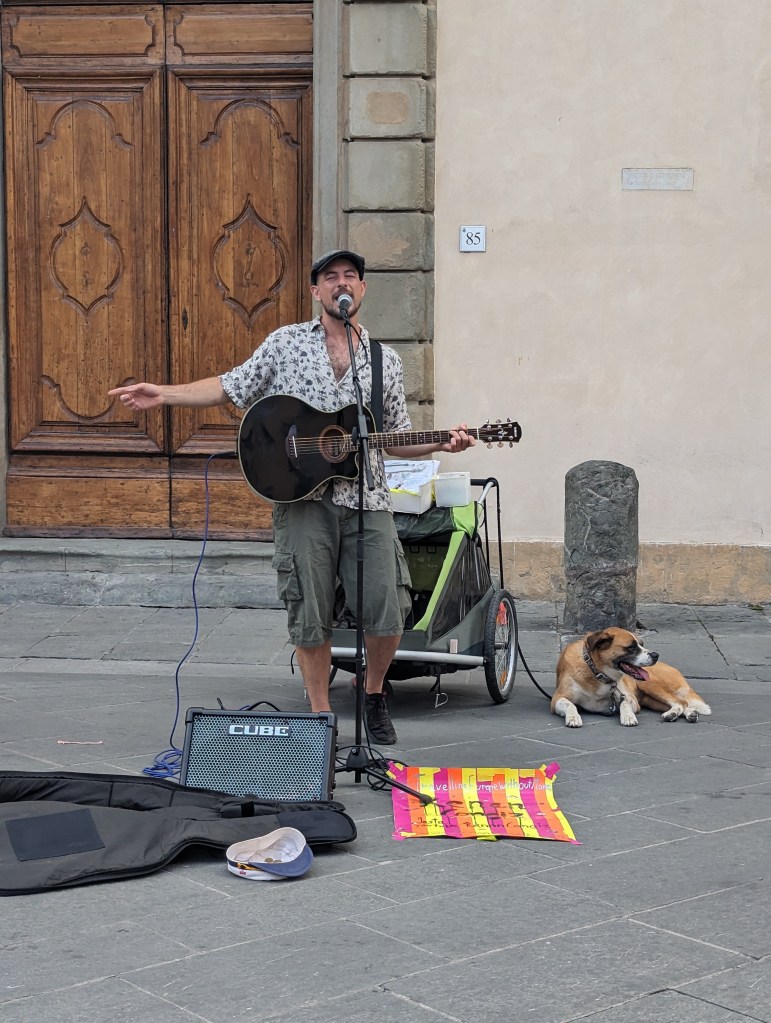
Ein Betonparkplatz in Pisa, Bullenhitze und Mücken bis zum Abkotzen. Zwei Lichtblicke: In der Stadt des schiefen Turms werden wir wieder Mucke vor vielen Menschen machen und werden Renans Nichte Roberta und ihre Freundin Judith treffen, die gerade ebenfalls durch Europa work-and-travelen. Draußen in den Gassen zwei Erkenntnisse: Die Polizie mag keine Verstärker und die Italiener*innen sind weit weniger gebefreudig als wir das aus Deutschland gewohnt sind. Straßenmusik scheint hier einfsch nicht so’n Ding zu sein; drei Sets in Pisa bringen so viel ein wie eines in Düsseldorf oder Heidelberg, und bei Set zwei werden wir von den Carrabinieri zurechtgewiesen, auf den Verstärker zu verzichten.
Immerhin verläuft das Treffen mit Roberta und Judith wie geplant, die beiden begleiten uns auf unseren musikalischen Streifzügen und wir tauschen Reisegeschichten, Pläne und Empfehlungen aus. Abends im Camper lesen wir auf der Website eines weltweit gereisten Straßenmusikers, dass Italien generell zu den schwierigsten Pflastern gehören soll, er begründet das mit unklaren Regeln, willkürlichen Polizisten und wenig Verdienst. Ziemlich groggy von der Hitze und den Mücken beschließen wir die Biege zu machen und verlassen die Stadt nach ein paar Stunden schlechten Schlafs am nächsten Morgen.



Garfagnana: Bugnano – Rauch und Ruinen
Aber wohin nun? Angenehmere Temperaturen, weniger Mücken und entspannte Menschen findet man meist in den Bergen, und die fangen in Gestalt der Garfagnana in der Provinz Lucca gleich hinter Pisa an. Das Hineinkommen gestaltet sich bloß schweriger als gedacht: dreimal scheitern wir an zu starker Steigung, zu engen Straßen oder zu tiefen Brücken, bis wir schließlich ein befahrbares Sträßlein in Richtung Ruderi di Bugnano finden, ein verlassenes Dorf nahe Lugano-Monti di Villa. Ein Einheimischer, der uns mit seinem 4×4-Pickup überholt, kennt das Dorf zwar nicht, meint aber, die Straße sei für uns trotz ausgeschilderter Breitenbeschränkung befahrbar. Ist sie auch, zumindest für Manu; die meisten Menschen hätten wahrscheinlich die Nerven verloren.
Oberhalb der Ruinenstadt bleiben wir an einer Anzweigung stehen. Kommen wir mit dem Camper da runter? Und falls nicht, kommen wir wieder rauf? Renan steigt aus und scoutet; schon die zweite Serpentine ist zu eng und steil, das wird nichts. Derweil muss Manu die Straße freigeben, die der Camper blockiert – und fährt die steile Abzweigung auf gut Glück bis zur ersten Kurve hinab. Die Frage, ob wir da wieder rauf kommen werden, wird sich also im Experiment beantworten. Jetzt suchen wir erst einmal die Ruinen von Bugnano.
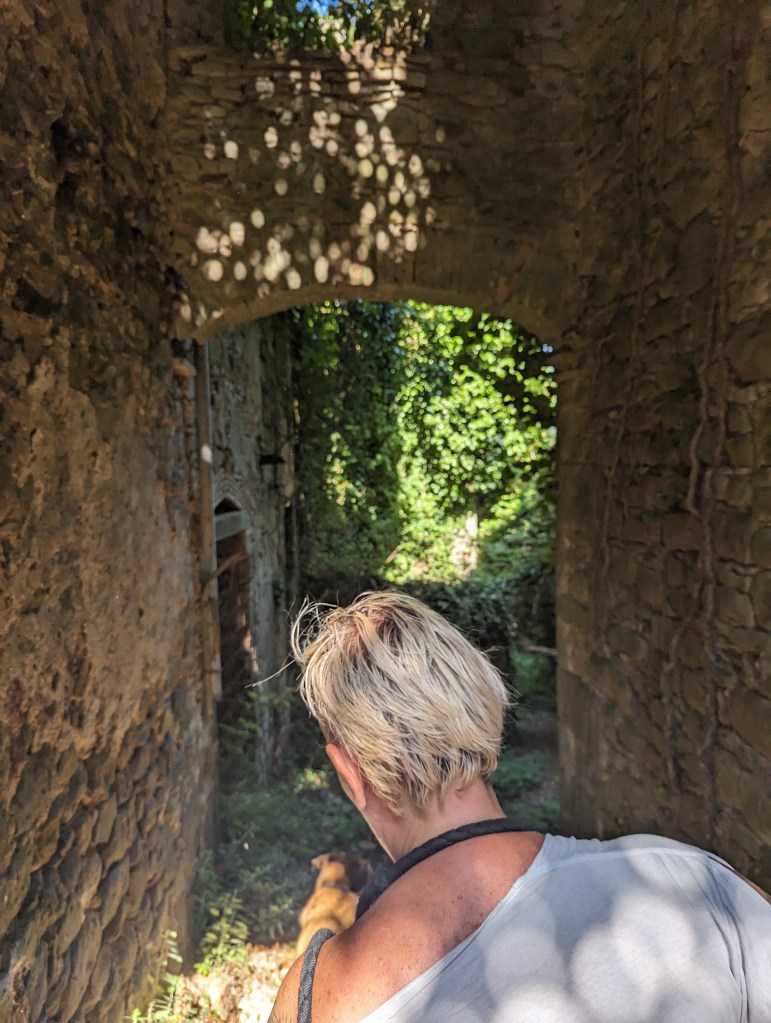
Bugnano war eines von drei bewohnten Dörfern der Region Monti di Villa. Die erste urkundliche Erwähnung datiert auf das Jahr 983, aufgegeben wurde das Dorf wegen seiner ungünstigen Lage im Jahr 1832 und wird seither Stück um Stück vom Wald verschluckt. Irgendwie beruhigend zu sehen, wie schnell sich die Natur den Raum zurückerobert, wenn der Mensch sich zurückzieht … Wir erkunden die Geisterstadt und streichen um die Reste der einstmals rund 40 romanisch gebauten Häuser, vergessen den Camper für eine Weile und tauchen in die Vergangenheit.




Dann setzt Manu an, rückwärts den Hang hinaufzufahren. Hermine, Maja und Renan bleiben draußen, um das Gewicht zu drosseln. Die Chance, dass der Wagen unbeschadet oben ankommt, liegt gefühlt bei 50 Prozent – die Kupplung raucht und Manu muss alle paar Meter anhalten, damit der Schmu etwas abkühlen kann. Die 50 Meter sind eine Zitterpartie, aber nach einer halben Stunde ist’s geschafft Berta, so heißt der Camper übrigens, und Manu sind einfach ein fantastisches Team! Eine knappe Stunde stehen wir noch am Rand der engen Straße und lassen die Kupplung und den Motor abkühlen, dann visieren wir den nächsten Parkplatz an, den wir auf der Karte finden können.

Garfagnana: Montefegatesi & Orrido di Botri
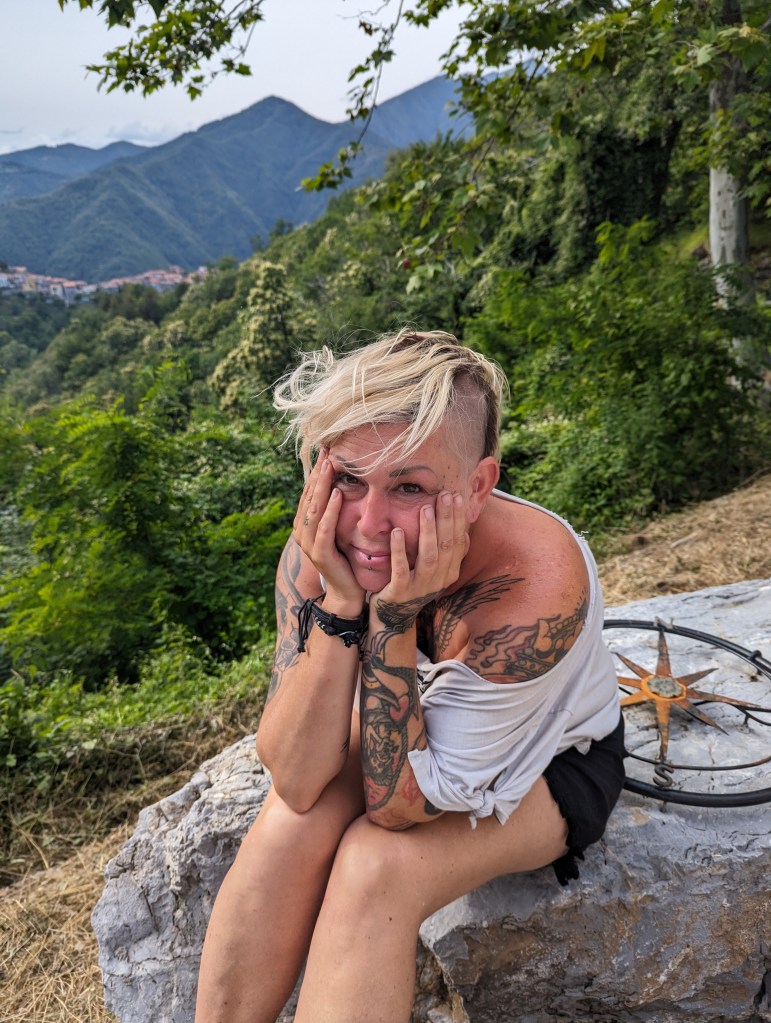
Wie sich nach 20 Minuten Kurverei auf der engen Bergstraße herausstellt, werden wir mit dem schönsten Stellplatz der Welt belohnt – ein Aussichtspunkt mit Blick auf das Bergdorf Montefegatesi und mit einer Picknickbank, perfekt zum Runterkommen, Erholen und Entspannen.


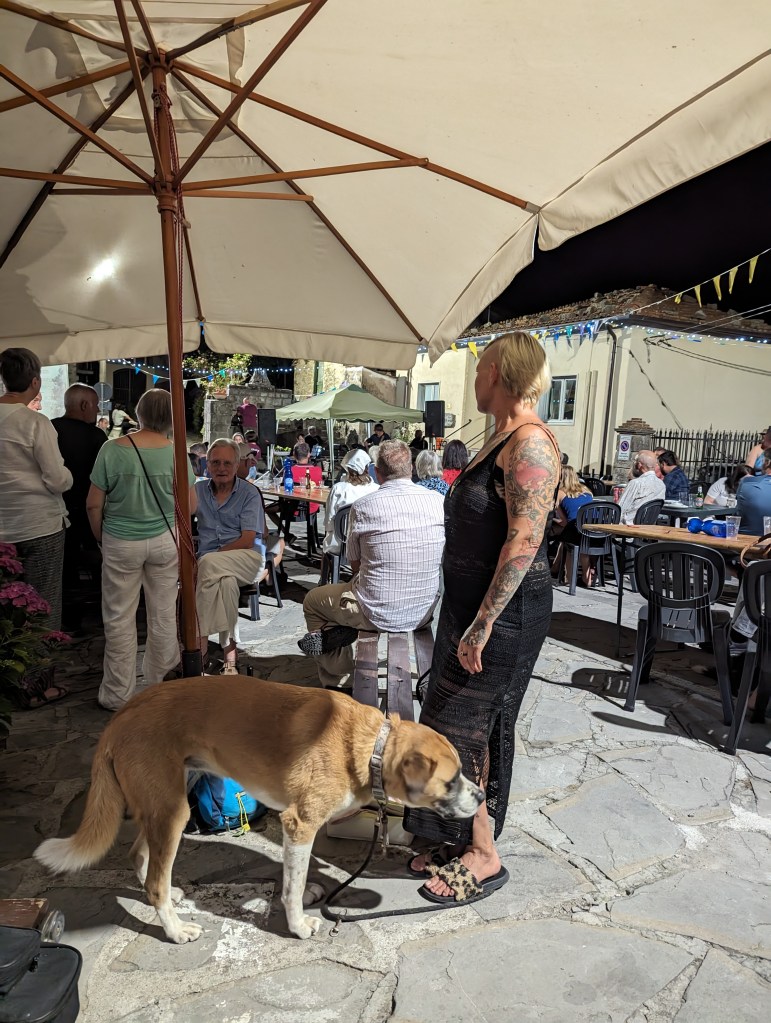
Schon bei unserem ersten Besuch in Montefegatesi und dem ersten zaghaften Musikversuch bemerken wir, dass das Dorf irgendwie anders ist. Schnell lernen wir Menschen kennen, die uns nicht nur über die Geschichte und Eigentümlichkeiten der alten Siedlung in Kenntnis setzen, sondern uns auch einladen, Teil der Feierei zu werden. So kommt es, dass Renan nur wenige Tage nach unserer Ankunft ganz offiziell auf dem Dorfplatz spielt, allein und sogar ein wenig mit der Band, die für den Abend organisiert ist. Wieder ergeben sich neue Kontakte, und wir freuen uns sehr über Einladungen zum Essen, in einen privaten Pool und zu weiteren Konzerten und Kulturabenden. Wir fühlen uns wohl in diesem Kompaktdorf, das außerhalb der Saison herade einmal 170 Einwohner*innen ausfweist, die auf 840 Höhenmetern auch den rauen Jahreszeitrn trotzdem. Und über allem thront eine Statue Dante Alighieris, der die umgebende Landschaft als Vorlage für Teile seiner Götttlichen Komödie herangezogen haben soll.
„Die Originalität und Besonderheit von Montefegatesi findet sich in der freimaurerischen Bewegung des freien Denkens wieder, die in vielen Familien durch die Auswanderer verbreitet wurde. Der freie Denker wird nur bei seinem Begräbniss als solcher erkannt, das in enger konfessionsloser Form ohne den üblichen Begräbnissritus durchgeführt wird und der Sarg mit der Fahne der Bewegung des freien Geistes bedeckt zu Grabe getragen wird. Montefegatesi hat außerdem Dante Alighieri ein Denkmal auf dem höchsten Punkt des Dorfes errichtet. Es wurde 1908 mit den Spenden der Auswanderer Montefegatesis aus Amerika errichtet. Die Büste ist ein Werk des Bildhauers F. Petroni aus Lucca. Vom Standort des Denkmals aus kann man ein wunderschönes Panorama mit den Bergen Rondinaio, Tre Potenze, Mosca, Pratofiorito und Coronato bewundern. Eine andere Eigenschaft von Montefegatesi ist, dass unter den Einwohnern, vor allem den älteren, eine nicht gewöhnliche Kenntnis der klassischen Literatur , der Texte von Omer, Virgilio, Dante und Ariosto vorhanden ist, die während den winterlichen Abendunterhaltungen praktiziert und erlangt wurde. Erbe dieser Lesungen sind die Taufnamen vieler Einwohner, wie z.Bsp. Anchise. Aiace, Creso, Egeo, usw.“
Quelle: „Montefegatesi“ auf BagniDiLuccaTerme.info; https://www.bagnidiluccaterme.info/de/argomento/Paesi-di-Bagni-di-Lucca/Montefegatesi.html




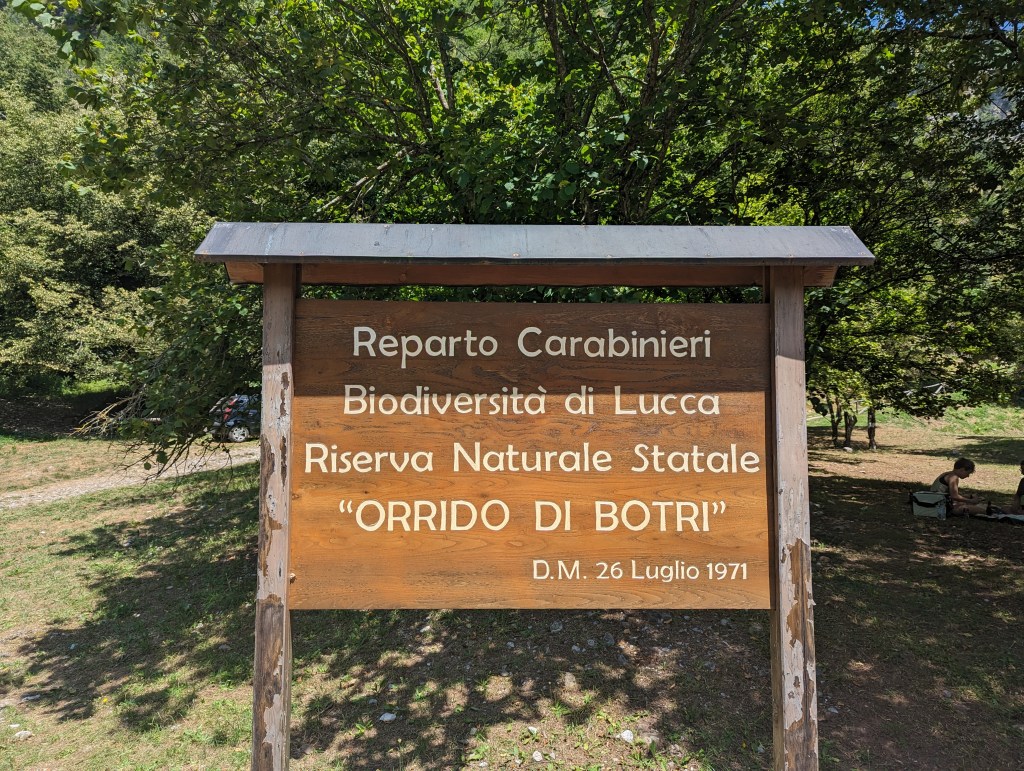
Beim Erkunden der Umgebung stößt Manu auf einen Canyon, der in einem Bergtal hinter Montefegatesi mit Naturschönheiten lockt. Eigentlich wollten wir zurück ins Flachland, denn das einzige, was uns hier oben fehlt, ist ein beschwimmbares Gewässer. Doch nach einer mückenintensiven, heißen Nacht am Fluss Lima bei Fornoli zieht es uns zurück in die Berge und wir steuern den Canyon an, Orrido di Botri.
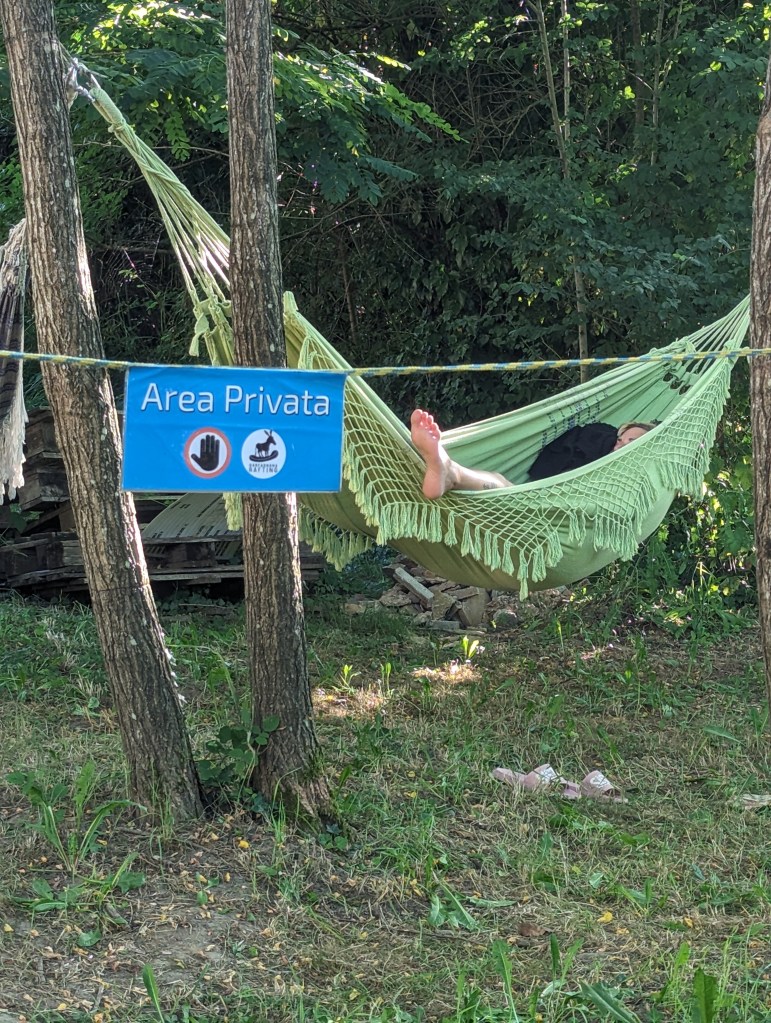
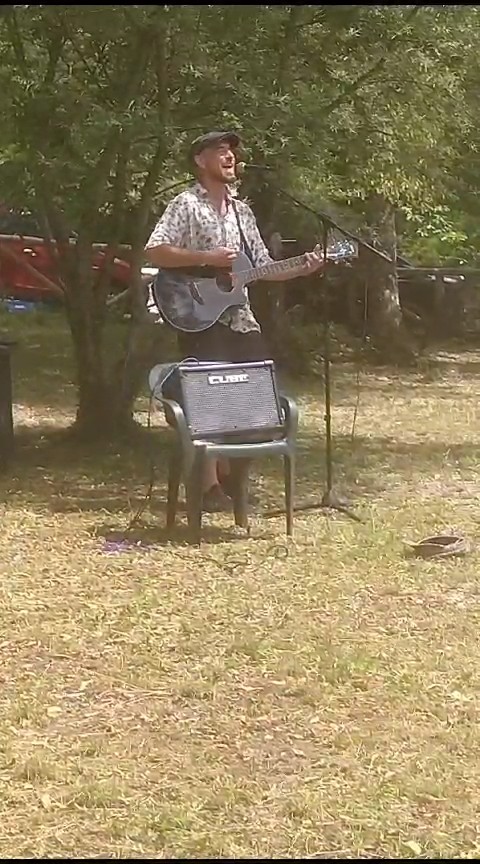
Die freundliche Besitzerin des einzigen Lokals am Platz erlaubt es uns, unser Riesenwohnmobil auf eine Art Picknickplatz hinterm Haus zu stellen und sagt ja zu unserem Angebot, Musik für die Gäste zu machen. Insgesamt zwei Hutkonzerte spielt Renan dort in den paar Tagen unseres Aufenthalts, im Gegenzug gibt’s großzügige Bewirtung, einen kalten Bergfluss und atemberaubende Natur, die wir über die Zeit erwandern.





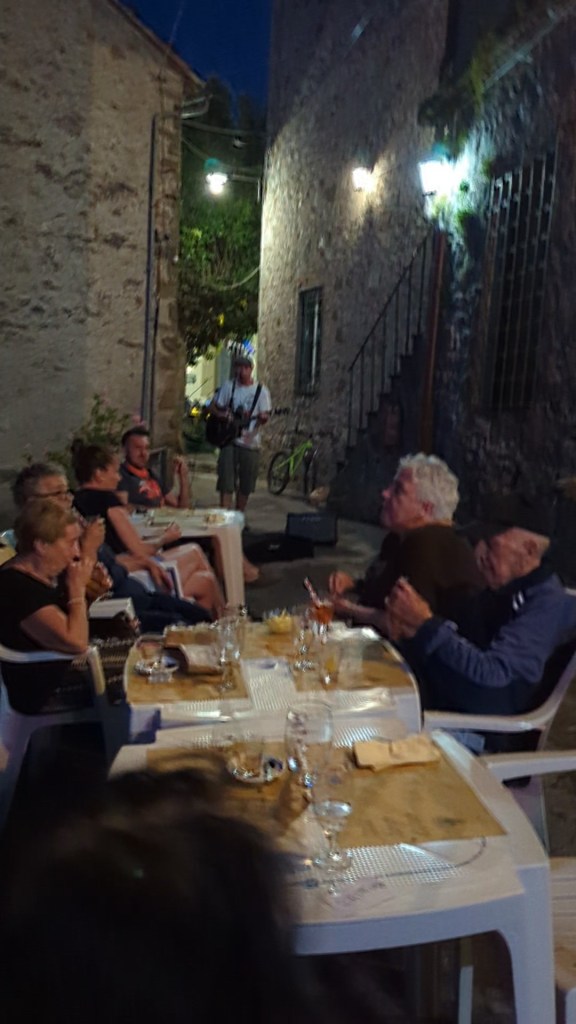
Am Abend vor dem zweiten Konzert, zwei Tage vor unserer endgültigen Abreise aus diesem wundervollem Flecken in der Garfagnana, sind wir zum Pizzaessen nach Montefegatesi eingeladen, verbunden mit einem Abschiedskonzert für die Gäste des Circolo, der einzigen Gastronomie im Dorf. Die Menschen hier sind überwiegend herzlich und gerade die eingeborenen, alteingesessenen Montefegatesianer umspielt eine verschmitzte Freiheit – eine Freiheit, die tief in das philosophische Selbstverständnis des Dante-Dörfchens eingegraben ist. „Your freedom ends at the tip of my nose“, fasst Matheo zusammen, der mit seiner Frau aus dem Süden der USA hierher ausgewandert ist und in dessen Pool wir schwimmen durften. Menschen aus Australien, Großbritannien, anderen Teilen Italiens, Deutschlands und von anderswo leben hier mit den Montefegatesianer*innen. „Es ist komisch, aber das Dorf scheint sich seine Menschen zu suchen, nicht umgekehrt“, sagt Lucia aus Deutschland, die uns mit ihrem Mann zur Pizza ausgeführt hat. Nach dem Konzert und einem Absacker wandern wir durch die glühwurmerhellte Nacht zurück in den Canyon.
Hier spielen wir tags darauf das letzte Konzert und brechen am nächsten Morgen die Zelte ab – so schön das alles ist, wollen wir weiter, Strecke machen, Welt sehen und endlich mal am Meer sein. Obwohl längst klar ist: Schöne Flecken gibt es überall, und hetzen sollte man sich nun wirklich nicht, ist unser nächstes Ziel Finale Ligure. Das ist zwar ein gutes Stück die Küste runter, aber davor finden wir keine guten und bezahlbaren Optionen für einen Seegang.



Ligurien: Finale Ligure
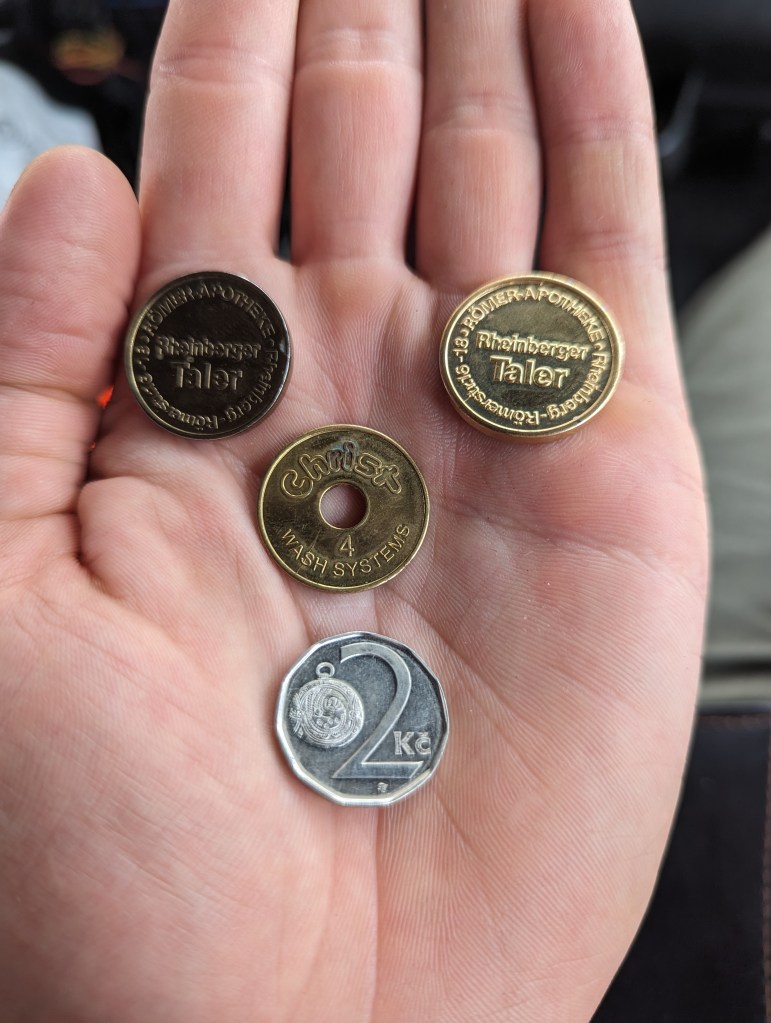
Manu zieht durch: Wir fahren die Küste entlang, machen über Nacht Pause auf einem Autohof bei Varazze und erreichen an Tag 33 das Meer bei Finale Ligure. Unser Stellplatz ist direkt am Wasser, über dicke Steine geht es mit etwas Geschick im die Salzfluten. Der bezahlte Platz hat sogar Duschen und WCs, purer Luxus also – abgesehen davon, dass wir eng an eng mit anderen Campern auf Asphalt stehen. Jetzt genießen mir mal ein wenig, und alle haben echt Lust auf Pizza.


Um Maut und Sprit und die Platzmiete und die Pizza zu kompensieren, steht – nach den besonderen Konzerten in der Garfagnana – mal wieder klassische Straßenmusik auf dem Programm. Mit reduzierten Erwartungen (Pisa war eine Lektion in Genügsamkeit) suchen wir uns zunächst einen Platz an einer Straßenecke im Zentrum. Tatsächlich liegt die finanzielle Ausbeute eher im Pisa’schen Mittelfeld, aber die Menschen machen das wieder wett: Eine Frau bleibt stehen und hört sichtlich gerührt unter Tränen zu, erzählt in einer Pause, dass ihr Mann ebenfalls Gitarrist und Sänger war und vor wenigen Tagen gestorben ist – sie erkennt ihn in Renan wieder und es entsteht ein sehr besonderer Moment der Vertrautheit und des Trostes unter völlig Fremden. Ein Rosenverkäufer, selbst mindestens so mittellos wie wir derzeit, schenkt Manu eine Rose und setzt sich zu ihr. Die Besitzer*innen der Lädchen und Restaurants hören zu und nehmen Anteil, und eine weitere Frau ist zu Tränen gerührt und muss von ihren Angehörigen behutsam weitergezogen werden – aus Gründen, die wir nie erfahren werden. „Das war eins der besten Sets, die du je gespielt hast“, sagt Manu. Und Renan ist, wie immer bei diesem Bullenwetter, nassgeschwitzt bis auf die Unterhose. „Ich geh mich eben umziehen und frischmachen, dann spielen wir noch ne Runde.“ Gesagt, getan, und während Renan zum Stellplatz schlurft, lernt Manu einen Straßengaukler kennen, der uns einlädt, am nächsten Tag zu ihm und seinen Kolleg*innen – allesamt fahrendes Künstlerpack – zu stoßen und Teil der Truppe zu werden. Was für Aussichten!

Das zweite Set am Lungomare vor einem Restaurant endet trotz herzlichen Zuspruchs, insbesondere des Lokalpersonals, verfrüht, weil innert kurzer Zeit zwei Saiten reißen umd es für die zweite keinen Ersatz mehr gibt. Wir erkundigen uns nach einem Gitarrenladen – doch der nächste ist ein paar Städte entfernt. Damit steht ein Plan für morgen: Neue Saiten kaufen, dann zurück nach Finale und zu unseren neuen Freunden aus dem Straßenshowbusiness.
Ligurien: Camper-Crash in Albenga
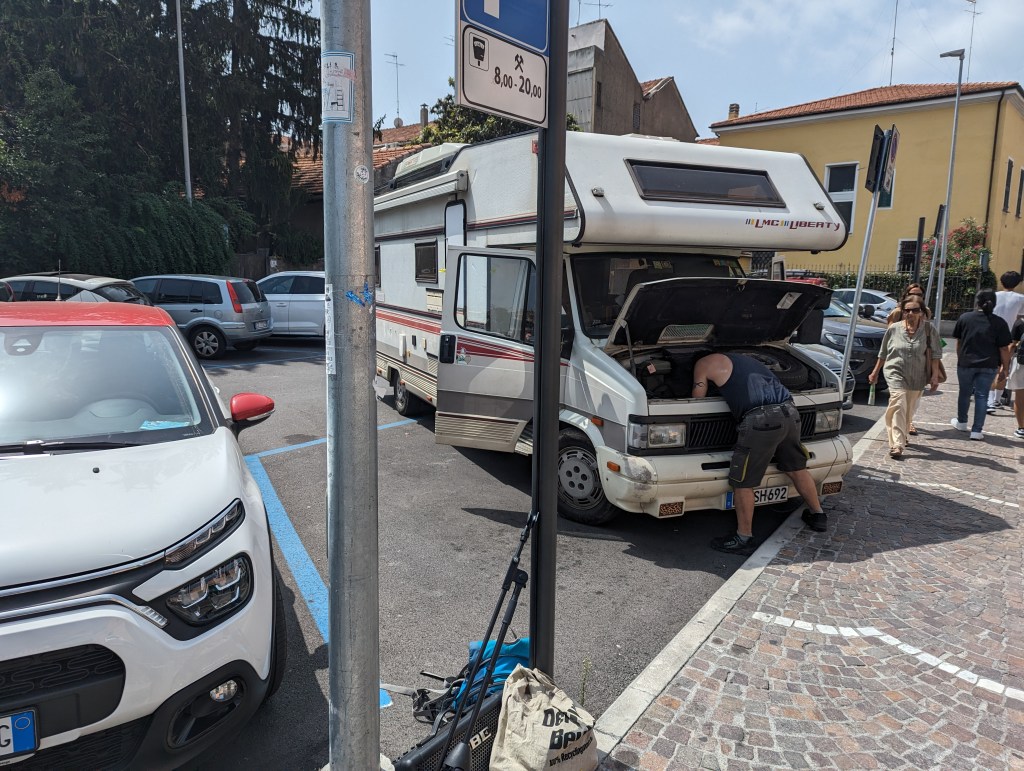
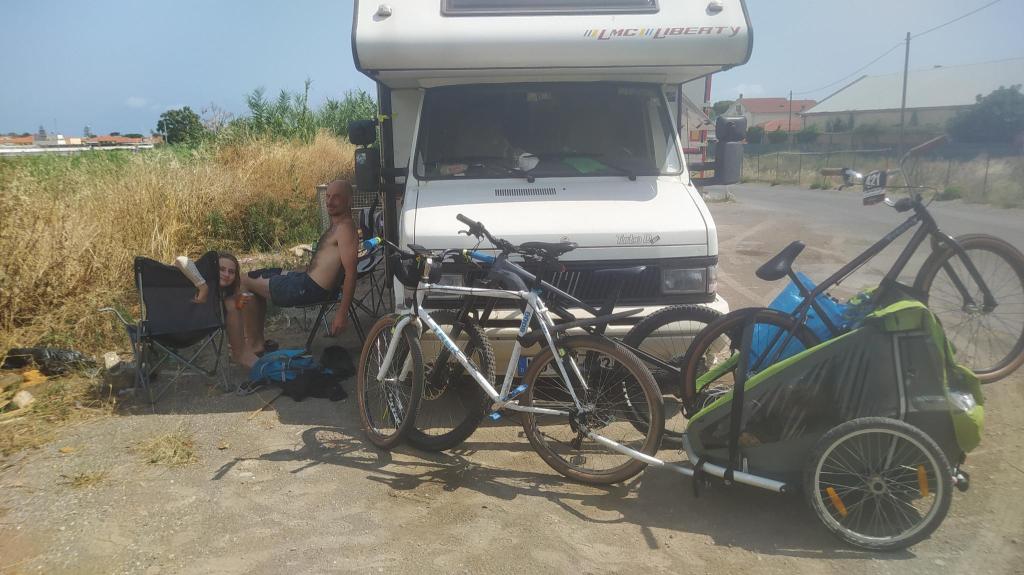
Der Gitarrenladen befindet sich in Albenga. Auf dem Weg dorthin beginnt Berta zu schwächeln: Die Batterieleuchte leuchtet, die Tank- und Temperaturanzeige spinnt. Während Renan im Laden ist, parkt Manu auf einem kleinen Parkplatz in der Nähe, und als alle wieder in der Berta sitzen, will das alte Mädchen nicht mehr zünden. Manu kontaktiert den ADAC, nach viel Warterei und einem missglückten Reparaturversuch vor Ort ist klar: Wir müssen uns ein Zimmer nehmen, Berta wird am nächsten Tag abgeschleppt werden. Dank der ADAC-Plus-Versicherung bedeutet das aber nicht das Aus unseres Experimemts: Die Übernachtungs- und Mechanikerkosten trägt der ADAC, wir werden voraussichtlich nur die Materialkosten begleichen müssen. Wie viel das ist, ist schwer zu sagen. Wir nehmen das Ganze gelassen und freuen uns auf drei Nächte BnB in Albenga. Sollte Berta dann nicht fit sein, müssen wir wohl oder übel aufs Zelt oder Couchsurfing umsteigen, denn Unterkünfte in unserem Budgetrahmen gibt es weit und breit keine.

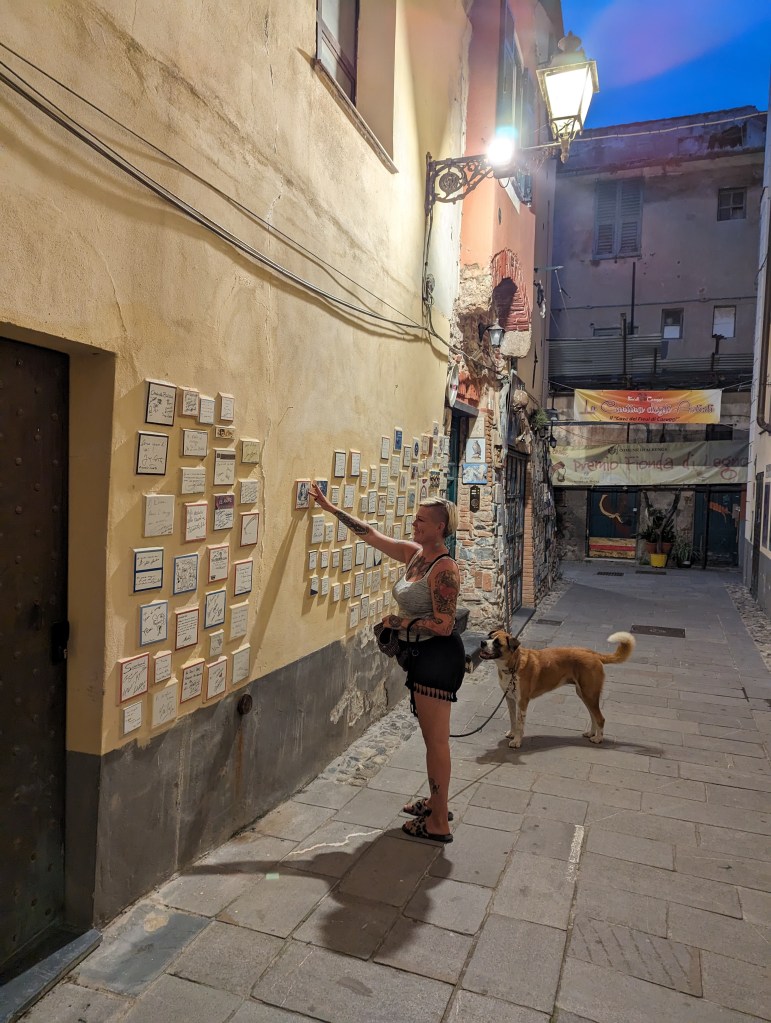
Glück im Unglück: Das gewählte BnB und Albenga im Allgemeinen entpuppen sich als Volltreffer. Unser Gastgeber ist selbst ein Globetrotter und mal mit dem Fahrrad zum Nordkap gefahren, und Albenga ist ein Kleinod, was Kunst und Kultur anbelangt. Das Städtchen hat einfach einen guten Vibe und sogar ein paar nette Ecken für Straßenmusik. Es ist übrigens auch nicht zu verachten, mal wieder in einem geräumigen Doppelbett mit Smart-TV zu übernachten, eine eigene Dusche zu haben und alle sonstigen Annehmlichkeiten der postindustriellen, sesshaften Zivilisation.
Die Leute in Albenga sind cool und herzlich. Man merkt: Hier hat kaum jemamd viel, aber viele schmeißen zumindest ein paar Cents in den Hut, sogar viele sehr junge Leute, was uns in Finale Ligure schon aufgefallen war. Und vor der Kulisse der alten Stadt macht das Spielen sowieso Spaß, auch wenn die Wertschätzung wieder überwiegend nicht-materieller Natur ist.


Am Wochenende ist Ausnahmezustand in Albenga. Es ist Palio-Zeit, und ein Mittelaltermarkt säumt die Festivitäten, in denen die historischen Stadtviertel in bunten Spielen gegeneinander antreten. Das ist einerseits ziemlich cool, andererseits nimmt uns das die Möglichkeit, Straßenmusik zu machen. Und da wir mangels Küche nicht kochen können, fallen unsere Pizzakosten höher als gewöhnlich aus. Zum Glück willigt ein Lokal, das etwas außerhalb der Altstadt liegt, in einen Musik-gegen-Verpflegung-Deal ein. Renan spielt eine gute halbe Stunde für die Gäste im Außenbereich, dafür gibt’s Pizza und eigentlich auch Wein – aber den lässt ein deutsches Pärchen springen, bevor das Lokal überhaupt etwas auftischt. Wir verbringen den Abend nach dem Konzert an ihrem Tisch und freuen uns über eine Einladung zur Finnischen Sauna in Süddeutschland bei nächster Gelegenheit.
Abends im BnB treffen wir im Atrium des BnB-Gebäudes auf eine kleine Palio-Aftershow-Gesellschaft, bestehend aus Akteur*innen der hiesigem Kulturszene. Schnell entsteht eine Jam-Session mit den anwesenden Musikern und der Abend endet mit einer Einladung, im nächsten Jahr auf dem Musikfestival der Stadt als Bühnengast aufzuspielen. Außerdem gibt es kaltes Bier vom Fass. Ein überaus gelungener Abschied!
Am Samstag packen wir unsere sieben Sachen und hecken einen Plan aus, Berta abzuholen, die vier Städte weiter repariert nahe der Werkstatt steht. Der Plan geht so: Manu fährt mit Maja mit dem Zug und läuft vom Bahnhof zur Werkstatt, Hermine und Renan fahren die gut 20 Kilometer mit dem Rad, wobei Hermine Manus E-Bike reitet und Renan mit seinem Treck-MTB den Anhänger mit unseren sieben Sachen und Hermines Fahrrad zieht. Im Grunde ein guter Plan, doch während der Fahrt stellen Hermine und Renan fest, dass es die meiste Zeit bergauf geht, ein permanenter Gegenwind weht und die Alternativroute zur Hauptstraße, die die Radwander-App vorschlägt, über sehr sportliche, sehr enge und teilweise unbefahrbare Hochgebirgssträßchen führt, die für Renan nicht zu schaffen sind. Drei Stunden, einige Liter Schweiß und drei Dutzend gerissene Nerven später sind wir dann trotzdem alle wieder vereint: Manu und Maja warten schon bei Berta, Hermine und Renan rollen ein, und der Trip kann weitergehen.


Ausblick
Der nächste Reiseabschnitt führt uns nach Frankreich und von dort weiter nach Spanien, wo wir einen sehr vertrauten Wandersmann treffen, der uns ein Stück begleiten wird. Du möchtest wissen, was dort passiert? Dann komm mit auf unseren Trip! Abonniere gern diesen Blog, schau dir unsere Instagram-Highlights an (spoiler alert!), klick dich in unserer Youtube-Playlist und sei Teil unserer Reise. Wer uns etwas in den Hut schmeißen möchte, aber aus Raumzeitkontinuumsgründen nicht kann – das geht auch digital: paypal.me/renancengiz. Danke und auf bald!
English translation starts here
Attention: The English version is an automated translation by Deepl.com with slight edits. Thath makes it a longer read with less work on our side. We hope it has turned out well enough. MAKE SURE TO LOOK AT AND WATCH THE PHOTOS AND VIDEOS ABOVE!
By the time you read this, we’ll ( unfortunately!) be back in Germany. Blogging on the road is not half as fast as creating Instagram stories. Still, in the next few days the travel diary will be completed, so stay tuned!
Pisa
A concrete parking lot in Pisa, bull heat and mosquitoes till you drop. Two rays of hope: In the city of the leaning tower we will make music in front of many people again and will meet Renan’s niece Roberta and her friend Judith, who are currently also work-and-traveling through Europe. Out in the alleys two realizations: The police don’t like amplifiers and the Italians are much less munificent (money-wise) than we are used to from Germany. Street music doesn’t seem to be a thing here; three sets in Pisa bring in as much as one in Düsseldorf or Heidelberg, and at set two we are reprimanded by the Carrabinieri to do without the amplifier.
At least the meeting with Roberta and Judith goes as planned, they accompany us on our musical wanderings and we exchange travel stories, plans and recommendations. In the evening in the camper, we read on the website of a world-traveled street musician that Italy in general is supposed to be one of the most difficult places, he justifies this with unclear rules, arbitrary policemen and little earnings. Pretty groggy from the heat and the mosquitoes we decide to make the turn and leave the city after a couple of hours of bad sleep by morning.
Garfagnana: Bugnano – smoke and ruins
But where to go now? More pleasant temperatures, fewer mosquitoes and relaxed people are usually found in the mountains, and they start in the form of the Garfagnana in the province of Lucca just behind Pisa. Getting there turns out to be more difficult than we thought: on three occasions we fail because the slope is too steep, the roads too narrow, or the bridges too deep, until we finally find a passable little road in the direction of Ruderi di Bugnano, an abandoned village near Lugano-Monti di Villa. A local, who overtakes us in his 4×4 pickup, doesn’t know the village, but thinks that the road is passable for us despite the signposted width restriction. It is, at least for Manu; most people would probably have lost their nerve.
Above the ruined city we stop at a junction. Can we get down there with the camper? And if not, can we get back up? Renan gets out and scouts; looking at the second serpentine, it’s already too narrow and steep, it’s not going to work. Meanwhile, Manu has to clear the road that the camper is blocking – and drives down the steep turnoff to the first bend on spec. So the question whether we will get back up there will be answered in an experiment. Now we are looking for the ruins of Bugnano.
Bugnano was one of the three inhabited villages of the Monti di Villa region. The first documented mention dates back to 983, abandoned in 1832 because of its unfavorable position, the village has since been swallowed up piece by piece by the forest. Somehow reassuring to see how quickly nature reclaims the space when man retreats … We explore the ghost town and brush around the remains of the once about 40 Romanesque-built houses, forget the camper for a while and dive into the past.Then Manu starts to drive backwards up the slope. Hermine, Maja and Renan stay outside to keep the weight down. The chance of the car arriving at the top unharmed feels like 50 percent – the clutch smokes and Manu has to stop every few meters to let the machine cool down a bit. The 50 meters are a nail-biter, but after half an hour it’s done Berta, which is the name of the camper by the way, and Manu are simply a fantastic team! For about an hour we stand at the edge of the narrow road and let the clutch and the engine cool down, then we aim for the next parking lot that we can find on the map.
Garfagnana: Montefegatesi & Orrido di Botri
As it turns out after 20 minutes of winding along the narrow mountain road, we are rewarded with the most beautiful pitch in the world – a viewpoint overlooking the mountain village of Montefegatesi complete with a picnic bench, perfect for winding down, relaxing and recharging our batteries.
From our first visit to Montefegatesi and our first tentative attempt at music, we notice that the village is somehow different. We quickly get to know people who not only tell us about the history and peculiarities of the old settlement, but also invite us to become part of the celebration. So it happens that only a few days after our arrival Renan officially plays on the village square, alone and even a little bit with the band that is organized for the evening. Again, new contacts are made and we are very happy to receive invitations to dinner, to a private pool and to more concerts and cultural evenings. We feel at home in this compact village, which in the off-season has just 170 inhabitants, who live at an altitude of 840 meters, even in the harshest of seasons. And above it all is a statue of Dante Alighieri, who is said to have used the surrounding landscape as a model for parts of his Divine Comedy.
„Montefegatesi was particular for its Freethinker Movement used by lots of families brought by the emigrants.The founder of this movement became well known only on the day of his funeral when his coffin was brought to the cemetery drapped with a white flag of the ‚Association of the Freethinker‘. Montefegatesi has also dedicated a monument to Dante Alighieri on top of the village it was built in 1908 by a sculptor of Lucca F. Petroni, where this monument is placed theres a fantastic view of Monte Rondinaio, delle Tre Potenze, il Mosca, Pratofiorito and il Coronato. Another characteristic of the village is that a lot of the old people had a fair knowledge of classic literature from Omero, Virgilio, Dante and Ariosto. From these readings they have heritage forenames of many local people like Anchise, Aiace, Creso and Egeo. There are also monuments to Garibaldi and Vittorio Emanuele.“
Source: „Montefegatesi“ on BagniDiLuccaTerme.info; http://www.bagnidiluccaterme.info/en/argomento/Paesi-di-Bagni-di-Lucca/Montefegatesi.html
While exploring the surroundings, Manu comes across a canyon that beckons with natural beauty in a mountain valley behind Montefegatesi. Actually, we wanted to return to the lowlands, because the only thing missing up here is a swimmable body of water. But after a mosquito-ridden, hot night on the Lima River near Fornoli, we are drawn back to the mountains and head for the canyon, Orrido di Botri.The friendly owner of the only restaurant at the place allows us to put our giant camper on a kind of picnic area behind the house and says yes to our offer to play music for the guests. Renan plays a total of two hat concerts there in the few days of our stay, in return we get generous hospitality, a cold mountain river and breathtaking nature, which we explore over time.The evening before the second concert, two days before our final departure from this wonderful part of Garfagnana, we are invited to Montefegatesi for a pizza dinner, combined with a farewell concert for the guests of the Circolo, the only restaurant in the village. The people here are mostly warm, and the native, long-established Montefegatesians in particular have a mischievous freedom about them – a freedom that is deeply ingrained in the philosophical self-image of the Dante village. „Your freedom ends at the tip of my nose,“ sums up Matheo, who emigrated here with his wife from the southern United States and in whose pool we were allowed to swim. People from Australia, Great Britain, other parts of Italy, Germany and elsewhere live here with the Montefegatesians. „It’s funny, but the village seems to seek out its people, not the other way around,“ says Lucia from Germany, who took us out for pizza with her husband. After the concert and a nightcap, we walk back to the canyon through the firefly-lighted night.
Here we play the last concert the next day and strike camp the next morning – as beautiful as all this is, we want to continue, cover distance, see the world and finally be at the sea. While it has long become clear that there are beautiful spots everywhere, and you really shouldn’t be in a hurry, our next destination is Finale Ligure. That’s a good bit down the coast, but we can’t find any good and affordable options for a seaside getaway up ahead.
Liguria: Finale Ligure
Manu pushes through: We drive along the coast, take a night break at a car port near Varazze and reach the sea at Finale Ligure on day 33. Our campsite is directly at the water, over thick stones and with a little skill it leads into the salty tide. The paid place even has showers and toilets, pure luxury thus – apart from the fact that we stand close to close with other campers on asphalt. Now we relax a little bit and all of us really crave for pizza.In order to compensate for the toll and the gas and the pitch rental and the pizza, classical street music is once again on the agenda – after the special concerts in the Garfagnana.
With reduced expectations (Pisa was a lesson in frugality) we first look for a place on a street corner in the center. In fact, the financial yield is rather in Pisa’s midfield, but the people make up for it: a woman stops and listens visibly moved with tears, tells in a pause that her husband was also a guitarist and singer and died a few days ago – she recognizes him in Renan and there is a very special moment of familiarity and comfort among complete strangers. A rose seller, himself at least as destitute as we are at the moment, gives Manu a rose and sits down with her. The owners of the shops and restaurants listen and sympathize, and another woman is moved to tears and has to be gently pulled away by her relatives – for reasons we will never know. „That was one of the best sets you’ve ever played,“ Manu says. And Renan, as always in this bull weather, is sweating wet down to his underpants. „I’ll just go change and freshen up, then we’ll play another round.“ No sooner said than done, and while Renan shuffles off to the campsite, Manu meets a street performer who invites us to join him and his colleagues – all of them traveling artists – the next day and become part of the troupe. What a prospect!
The second set at the Lungomare in front of a restaurant ends early, despite warm encouragement, especially from the local staff, because within a short time two strings break and there is no replacement for the second. We ask around for a guitar store – but the next one is a few towns away. So we have a plan for tomorrow: buy new strings, then back to Finale and our new friends from the street show business.
Liguria: Camper crash in Albenga
The guitar store is located in Albenga. On the way there, Berta starts to weaken: the battery light is on, the fuel and temperature gauges are goofing. While Renan is in the store, Manu parks in a small parking lot nearby, and when everyone is back in the Berta, the old girl won’t fire up. Manu contacts the ADAC, after a lot of waiting and a failed repair attempt on the spot it is clear: We have to get a room, Berta will be towed the next day. Thanks to the ADAC-Plus insurance, however, this does not mean the end of our experiment: The ADAC will pay for the overnight stay and mechanic costs, we will probably only have to pay for the material costs. How much that is, is hard to say. We take the whole thing calmly and look forward to three nights BnB in Albenga. If Berta should not be fit then, we must change willy-nilly to the tent or Couchsurfing, because accommodations in our budget frame there are far and wide none.Luck of the draw: The chosen BnB and Albenga in general turn out to be a hit. Our host is a globetrotter himself and once biked to the North Cape, and Albenga is a gem in terms of art and culture. The town just has a good vibe and even a few nice corners for street music. By the way, it’s not to be sneezed at to sleep in a spacious double bed with smart TV, have your own shower and all the other comforts of post-industrial, sedentary civilization.
The people in Albenga are nice and warm. One realizes: hardly anyone has much here, but many throw at least a few cents into the hat, even many very young people, which we had already noticed in Finale Ligure. And against the backdrop of the old town, playing is fun anyway, even if the appreciation is again mainly non-material.
This weekend there’s bedlam in Albenga. It’s Palio time, and a medieval market lines the festivities, in which the historic districts compete against each other in colorful games. On the one hand, this is pretty cool, but on the other, it deprives us of the opportunity to play street music. And since we can’t cook for lack of a kitchen, our pizza costs are higher than usual. Fortunately, a restaurant just outside the old town agrees to a music-for-food deal. Renan plays a good half hour for the guests in the outside area, in return there’s pizza and actually also wine – but a German couple jumps for it before the restaurant even serves anything. We spend the evening after the concert at their table and are happy about an invitation to the Finnish sauna in southern Germany on the next opportunity.
In the evening at the BnB we meet a small Palio aftershow society in the atrium of the BnB building, consisting of protagonists from the local culture scene. A jam session quickly develops with the musicians present and the evening ends with an invitation to play as a stage guest at the city’s music festival next year. There is also cold beer on tap. An extremely successful farewell!
On Saturday we pack our seven things and hatch a plan to pick up Berta, who is repaired four towns away near the workshop. The plan goes like this: Manu takes the train with Maja and walks from the station to the workshop, Hermine and Renan ride the good 20 kilometers by bike, with Hermine riding Manu’s e-bike and Renan pulling the trailer with our seven things and Hermine’s bike with his trek MTB. Basically a good plan, but during the ride Hermine and Renan realize that it’s uphill most of the time, there’s a permanent headwind blowing and the alternative route to the main road suggested by the cycling app leads over very sporty, very narrow and partly impassable high mountain roads that are not manageable for Renan. Three hours, several liters of sweat and three dozen torn nerves later, we are nevertheless all reunited: Manu and Maja are already waiting at Berta’s, Hermine and Renan roll in, and the trip can continue.
Outlook
The next leg of the journey will take us to France and from there on to Spain, where we will meet a very familiar wanderer who will accompany us for a bit. You want to know what happens there? Come along and join us on our trip! Feel free to subscribe to this blog, check out our Instagram highlights (spoiler alert!), hit our Youtube playlist and be part of our journey. If you want to throw something in our hat but can’t due to space-time continuum reasons – you can do that digitally: paypal.me/renancengiz. Thanks and see you soon!


 renancengiz.com
Ein italienisches Sprichwort besagt: Des Menschen großer Feind ist seine eigene Meinung. Wie lautet Ihre?